
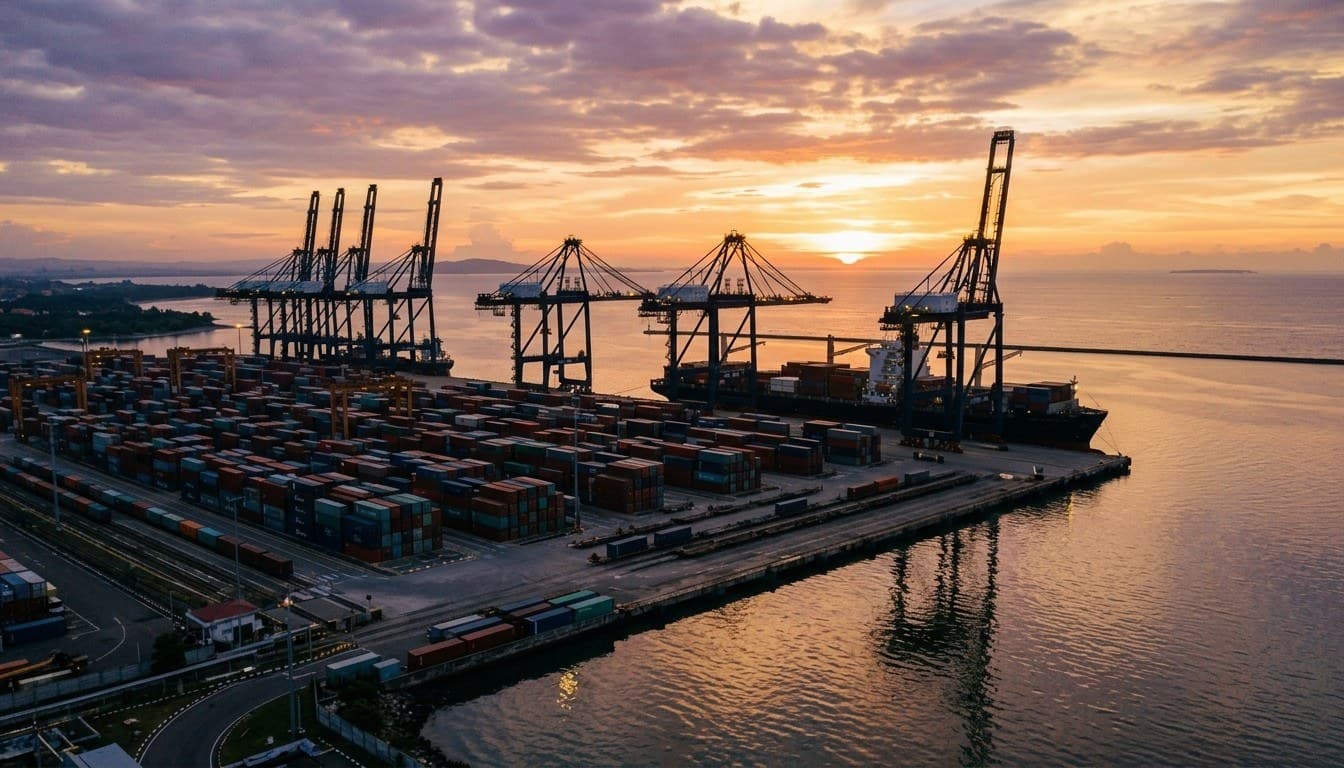
Export-Import Business in Indonesia 2026: Complete Guide
Indonesia's strategic location and large market make it ideal for international trade. Here's how foreigners can set up import-export operations.
Trade Business Overview
Indonesia offers:
- 270 million consumer market
- Strategic position in ASEAN
- Growing manufacturing base
- Rich natural resources for export
- Free trade agreements with major markets
Import vs Export Licenses
API License Types
Import licenses for different activities
| Feature | API-U (General) Angka Pengenal Impor Umum | API-P (Producer) Angka Pengenal Impor Produsen |
|---|---|---|
| Purpose | Import for trading/selling | Import for own production |
| Can Sell | Yes, to anyone | Only finished goods |
| Most Common | Trading companies | Manufacturers |
| Restrictions | Some product limits | Raw materials only |
Export License
For exports, you need:
- ET (Eksportir Terdaftar) - Registered Exporter for certain goods
- Some products require specific export permits
- Most products can be exported with just NIB
Business Structure
PT PMA for Trading
Foreign-owned trading companies can:
- Import goods for resale
- Export Indonesian products
- Act as distributor
- Wholesale to retailers
Trading PT PMA requires: - Minimum IDR 10 billion investment - Paid-up capital IDR 2.5 billion - Proper warehouse facilities (for certain goods)
- Registered import/export codes
Setup Process
Import-Export Business Setup
From company to first shipment
Required Documents
Import-Export Documentation
What you need for trading
company
trade
customs
tax
operations
product
Customs & Duties
Import Duties
| Category | Duty Rate | Notes |
|---|---|---|
| Raw materials | 0-5% | Often lower |
| Semi-finished | 5-15% | Varies by product |
| Finished goods | 10-40% | Higher protection |
| Luxury items | 20-200% | Additional luxury tax |
Other Import Charges
- VAT (PPN): 11% on CIF + duty
- Income Tax (PPh 22): 2.5% with API, 7.5% without
- Luxury Tax (PPnBM): On certain goods
Research your product's HS Code (Harmonized System) to understand:
- Applicable duty rate
- Import restrictions
- Required permits
- Documentation needs
Use Indonesia's INSW portal for HS code lookup.
Product Restrictions
Import Restrictions
Some products require additional permits:
- Food/Beverages: BPOM registration
- Electronics: SNI certification
- Cosmetics: BPOM + Halal
- Pharmaceuticals: Strict licensing
- Textiles: Quota systems may apply
Prohibited Items
- Drugs/narcotics
- Weapons (without license)
- Certain agricultural products
- Products violating IP rights
- Items against public morals
Export Opportunities
Top Indonesian Exports
- Palm oil products
- Coal and minerals
- Textiles and garments
- Rubber products
- Electronics
- Processed food
- Furniture and handicrafts
Export Requirements
- ET (Registered Exporter) for certain goods
- Export documentation (invoice, packing list, etc.)
- Pre-shipment inspection (some products)
- Certificate of origin (for preferential rates)
Bonded Zones
Kawasan BerikatBenefits of Bonded Zones
- Defer import duties until goods enter domestic market
- VAT and income tax facilities
- Streamlined customs procedures
- Ideal for manufacturing for export
Freight and Logistics
Key Ports
- Jakarta (Tanjung Priok) - Largest, most congested
- Surabaya (Tanjung Perak) - East Java hub
- Semarang (Tanjung Emas) - Central Java
- Medan (Belawan) - North Sumatra
Air Cargo
- Soekarno-Hatta (CGK) - Main international
- Ngurah Rai (DPS) - Bali
- Juanda (SUB) - Surabaya
Freight Forwarders
Work with established forwarders who can:
- Handle customs clearance
- Manage documentation
- Arrange inland transport
- Provide bonded warehouse
Common Mistakes
- Wrong API type - API-U vs API-P must match activity
- Ignoring product regulations - Some goods need special permits
- Undervaluing goods - Customs penalties are severe
- No proper documentation - Delays and extra costs
- Wrong HS code - Different duties, potential penalties
- Ignoring quotas/restrictions - Some products limited
Common Questions
Ask Zantara
AI-powered answers from our knowledge base
Suggested questions:
Related Articles
Topics

Zantara AI
AI Business Advisor
Questions about how this applies to your case?
Bali Zero handles visas, company setup, tax and property compliance in Indonesia. Ask us directly on WhatsApp.
Chat with Bali Zero on WhatsApp