
TL;DR
Indonesia has added a critical asset to its naval fleet with the commissioning of KRI Canopus-936, the country's first submarine rescue ship. The vess
The Facts
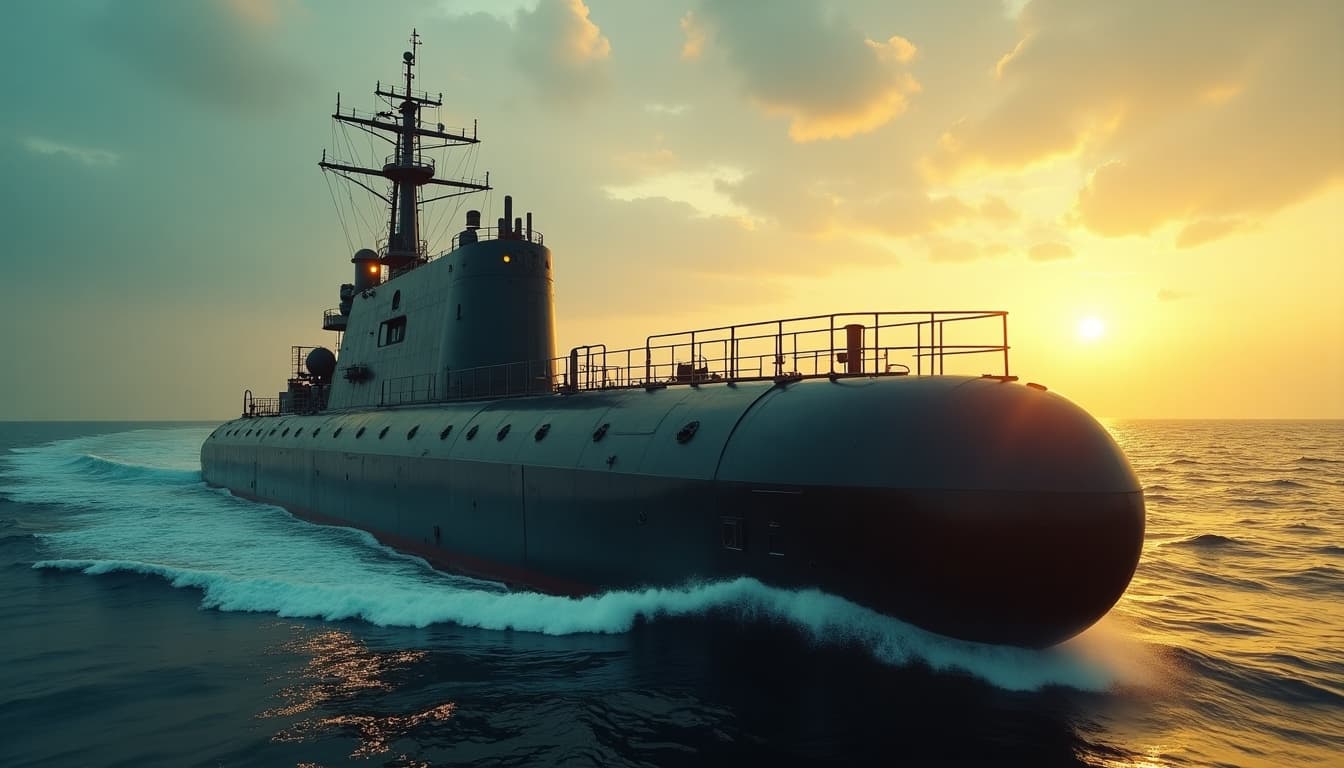
Indonesia has added a critical asset to its naval fleet with the commissioning of KRI Canopus-936, the country's first submarine rescue ship. The vessel represents a qualitative leap in the Indonesian Navy's (Tentara Nasional Indonesia Angkatan Laut, or TNI-AL) operational readiness, specifically in its capacity to respond to submarine emergencies — a capability Indonesia has historically lacked despite operating a submarine fleet.
The KRI Canopus-936 is designed to locate, reach, and rescue crews from stricken submarines operating in the waters surrounding the Indonesian archipelago. The acquisition of such a vessel is considered a strategic priority for any nation operating submarines, as international maritime safety standards and practical rescue doctrine require a dedicated surface support asset for submarine operations.
Indonesia operates a fleet of submarines that has been gradually modernized in recent years, including domestically-built and imported vessels. The country has long sought to strengthen its undersea warfare capabilities as part of a broader defense modernization drive. The absence of a dedicated rescue ship had been considered a gap in force protection for submarine crews.
The commissioning ceremony marks a formal handover of the vessel into active TNI-AL service. Submarine rescue ships are highly specialized platforms, equipped with decompression chambers, remotely operated vehicles (ROVs), diving support systems, and medical facilities capable of treating personnel after emergency submarine egress.
Indonesia's maritime domain spans over 5.8 million square kilometers, making it one of the world's largest maritime nations. The country's Exclusive Economic Zone overlaps with strategically contested waters in the South China Sea and the approaches to the Malacca Strait, one of the world's busiest shipping lanes. Maintaining credible submarine rescue capability is both a humanitarian and a strategic necessity for a nation of this geographic scale.
Bali Zero Take
The Hidden Insight
The commissioning of KRI Canopus-936 is a defense story, but its implications extend into the broader investment and regulatory environment that Bali Zero monitors on behalf of its clients. Indonesia'
Our Analysis
s sustained commitment to defense modernization — of which this vessel is one visible symbol — reflects a government that is actively investing in state capacity and projecting regional confidence.
F
Our Advice
or foreign investors, this matters as context. A government investing in sophisticated military infrastructure is also one signaling long-term institutional continuity and seriousness about sovereign control over its territory and resources. That is generally positive background noise for the business environment, even if the direct link to, say, a KITAS application or a PT PMA incorporation is not immediately obvious.
Where this becomes more directly relevant is for clients in maritime logistics, offshore energy, fisheries, or any sector that operates in Indonesian territorial waters. Understanding the regulatory and operational posture of TNI-AL is part of due diligence for those industries. Bali Zero advises clients in these sectors to remain attentive to how Indonesia's expanding naval presence may interact with permitting and operational frameworks in their specific domains.
Next Steps
Action Items
Ask Zantara
AI-powered answers from our knowledge base

Tempo English - Immigration
Questions about how this applies to your case?
Bali Zero handles visas, company setup, tax and property compliance in Indonesia. Ask us directly on WhatsApp.
Chat with Bali Zero on WhatsApp