
TL;DR
Each year, Indonesia sends the world's largest national Hajj delegation to Saudi Arabia, with quotas typically ranging between 200,000 and 240,000 pil
The Facts
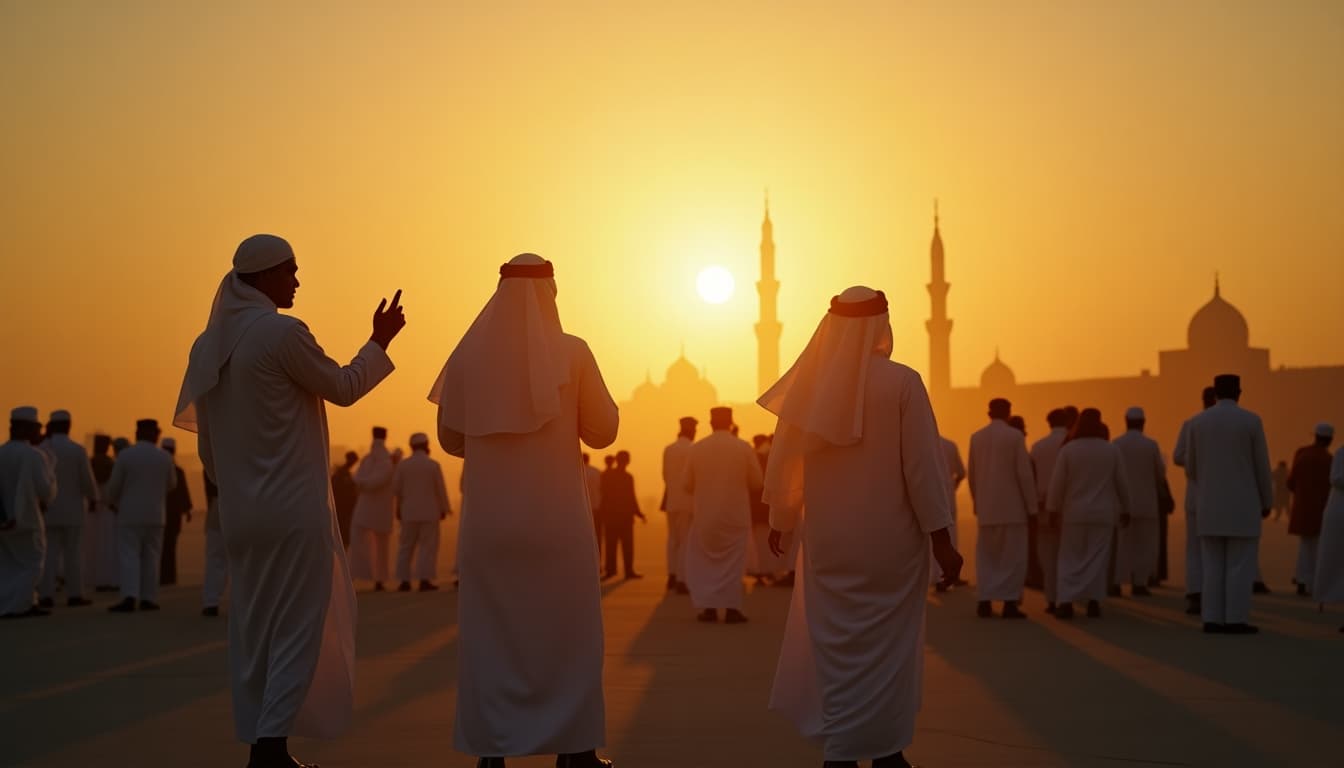
Each year, Indonesia sends the world's largest national Hajj delegation to Saudi Arabia, with quotas typically ranging between 200,000 and 240,000 pilgrims. The journey represents one of the most significant logistical operations managed by the Indonesian government, coordinated through the Ministry of Religious Affairs (Kementerian Agama) in partnership with Saudi authorities.
CNN Indonesia's immigration-categorized coverage of the pilgrims' conditions in the Holy Land reflects the ongoing media and governmental attention dedicated to the welfare of Indonesian citizens abroad during the Hajj season. Indonesian pilgrims travel on a dedicated Hajj visa — a special category distinct from standard tourist or work visas — issued by the Saudi Arabian government through a formal bilateral quota agreement.
The Indonesian government deploys a substantial support infrastructure during Hajj, including medical teams, consular officers, and logistics personnel stationed in Mecca and Medina. The Ministry of Religious Affairs operates a dedicated Hajj management system (Sistem Informasi dan Komputerisasi Haji Terpadu, or SISKOHAT) to track pilgrims from departure to return.
Pilgrims depart from designated embarkation cities across Indonesia in scheduled waves (kloter), with each group accompanied by official guides and health personnel. The Saudi government imposes strict entry and movement protocols during the Hajj period, which typically runs through the Islamic month of Dhul Hijjah.
Conditions in the Holy Land during Hajj can be demanding, with extreme heat, large crowds, and significant physical exertion involved in the religious rituals. The Indonesian government maintains dedicated health protocols and emergency response teams to support pilgrims throughout the journey.
Bali Zero Take
The Hidden Insight
The Hajj season is a recurring annual event that has predictable — and manageable — downstream effects on Indonesian government service capacity. For our clients navigating visa applications, KITAS re
Our Analysis
newals, or company registration processes, it is worth noting that key ministries, including Religious Affairs and, to a lesser extent, Immigration, redirect administrative bandwidth during peak Hajj
Our Advice
mobilization periods.
While the Directorate General of Immigration (Ditjen Imigrasi) is not directly involved in Hajj operations, the broader governmental focus on managing the world's largest Hajj delegation can contribute to minor processing delays in unrelated administrative matters, particularly at regional offices.
For expats, the more practical takeaway is contextual awareness: Indonesian colleagues, business partners, and government contacts who are Muslim may be observing the spiritual significance of the Hajj season even if they are not traveling. This is also a period when business decisions may slow ahead of and during the Eid al-Adha celebration that concludes Hajj. Planning document submissions and meetings around this calendar is simply good operational practice in Indonesia.
Next Steps
Action Items
Ask Zantara
AI-powered answers from our knowledge base

CNN Indonesia Immigration
Questions about how this applies to your case?
Bali Zero handles visas, company setup, tax and property compliance in Indonesia. Ask us directly on WhatsApp.
Chat with Bali Zero on WhatsApp