
TL;DR
Mount Agung, standing at 3,031 meters as Bali's highest peak and most spiritually significant volcano, has been temporarily closed to trekkers and tou
The Facts
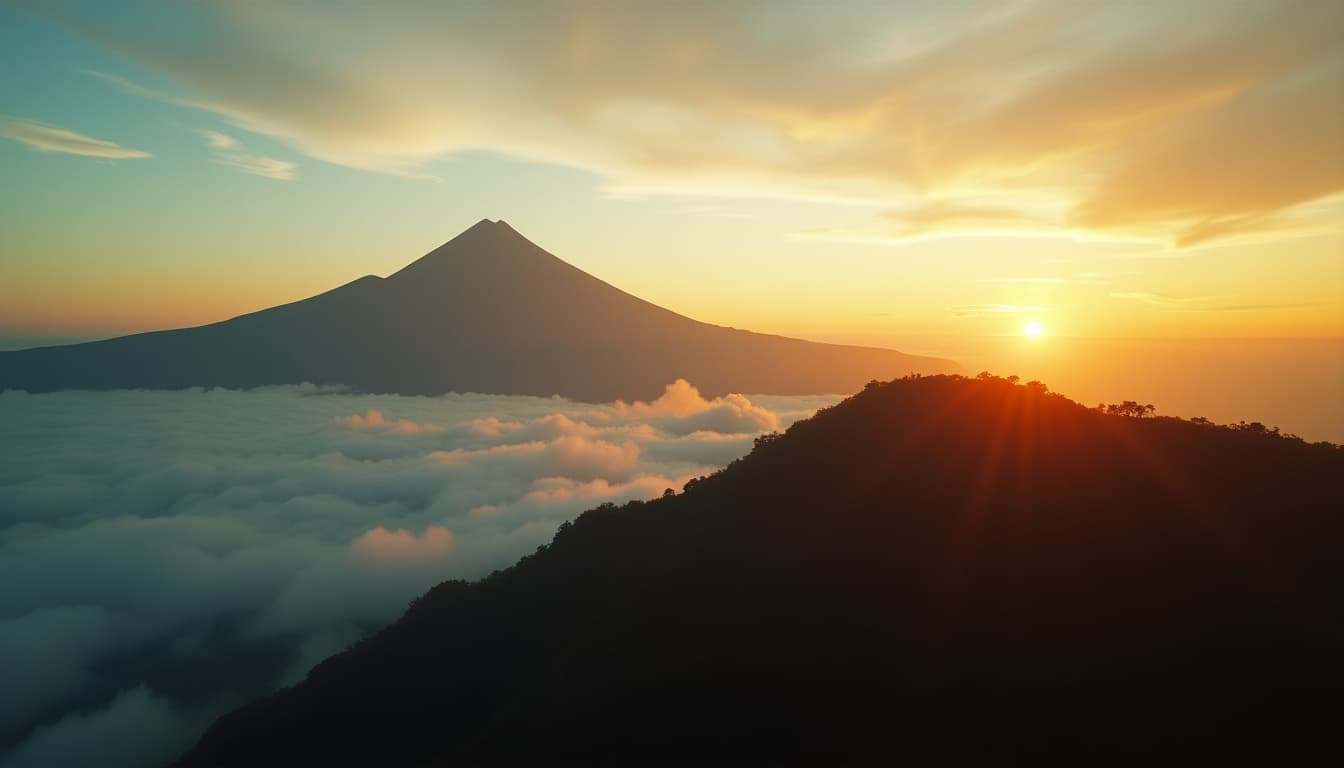
Mount Agung, standing at 3,031 meters as Bali's highest peak and most spiritually significant volcano, has been temporarily closed to trekkers and tourists to accommodate sacred Hindu ceremonies. The closure, expected to last approximately one month, is part of Bali's long-standing tradition of restricting access to holy sites during major religious observances.
The mountain holds immense religious significance for the Balinese Hindu community. Pura Besakih, known as the Mother Temple of Bali, sits on its southwestern slope and serves as the spiritual epicenter of Balinese Hinduism. During large ceremonial periods, the mountain and its temple complex become sites of intense religious activity, drawing thousands of worshippers from across the island and beyond.
Access restrictions of this nature are not uncommon on Mount Agung. Authorities periodically close trekking routes in deference to religious calendars, and the mountain has also seen restrictions in recent years due to volcanic activity monitoring. The current closure is specifically tied to ceremonial obligations rather than any volcanic threat, according to available reports.
Trekking to Mount Agung's summit is one of Bali's most popular adventure tourism activities, typically drawing visitors who undertake overnight climbs to witness sunrise from the crater rim. The closure will suspend all guided trek operations for the duration of the ceremonies, affecting a notable segment of adventure tourism providers based primarily in the Selat and Besakih areas of Karangasem.
No specific dates for the reopening have been officially confirmed at time of reporting, though the closure is expected to last around thirty days. Visitors already in Bali or planning travel during this period are advised to contact their tour operators directly to rearrange or cancel booked trekking itineraries and to monitor official announcements from local authorities.
Bali Zero Take
The Hidden Insight
This closure is a routine and entirely predictable feature of doing business and living in Bali. The island operates on a dual calendar — Gregorian and Balinese Hindu — and any serious investor or lon
Our Analysis
g-term resident quickly learns that religious observance takes precedence over commerce. This is not a disruption; it is the system functioning exactly as designed.
For our clients, the practical imp
Our Advice
act is minimal unless they operate trekking or adventure tourism businesses in the Karangasem area. For most visa holders, property investors, and company owners across the island, a one-month closure of one trekking route is irrelevant to their day-to-day operations or investment thesis.
The broader lesson here is one of cultural fluency. Bali rewards those who understand and respect its ceremonial rhythms. Businesses that build flexibility into their operations — accounting for Nyepi, Galungan, Kuningan, and major temple ceremonies — consistently outperform those that treat every closure as a crisis. This is simply good operational practice in the Balinese context.
Next Steps
Action Items
Ask Zantara
AI-powered answers from our knowledge base

Exa: moneycontrol.com
Questions about how this applies to your case?
Bali Zero handles visas, company setup, tax and property compliance in Indonesia. Ask us directly on WhatsApp.
Chat with Bali Zero on WhatsApp