
TL;DR
The 2026 FIFA World Cup, scheduled to be hosted across the United States, Canada, and Mexico, is generating mounting concern among participating natio
The Facts
The 2026 FIFA World Cup, scheduled to be hosted across the United States, Canada, and Mexico, is generating mounting concern among participating nations over unresolved US tax obligations. According to reporting by CNN Indonesia, the failure of US authorities to properly administer or resolve certain tax matters is resulting in financial harm to countries that have qualified for the tournament.
The specific tax mechanism at issue relates to how the United States taxes income earned on its soil by foreign entities, including football federations, athletes, and commercial partners. Under US tax law, foreign persons and organizations earning income in the United States are generally subject to withholding taxes. When treaty protections are not properly applied or when tax agreements between the US and specific nations are incomplete or poorly administered, the financial burden can fall disproportionately on foreign parties.
For the 2026 World Cup, prize money distributed by FIFA and commercial revenues flowing through US-based entities are subject to these rules. Nations without comprehensive tax treaties with the United States, or whose federations lack the legal infrastructure to claim treaty benefits, risk seeing significant portions of their earnings withheld by the Internal Revenue Service (IRS).
Indonesia, which did not qualify for the 2026 World Cup, is nonetheless affected through its regional neighbors and through the broader implications for international sports finance. Several Southeast Asian and Asian nations that did qualify face potential losses running into hundreds of thousands of dollars in withheld funds.
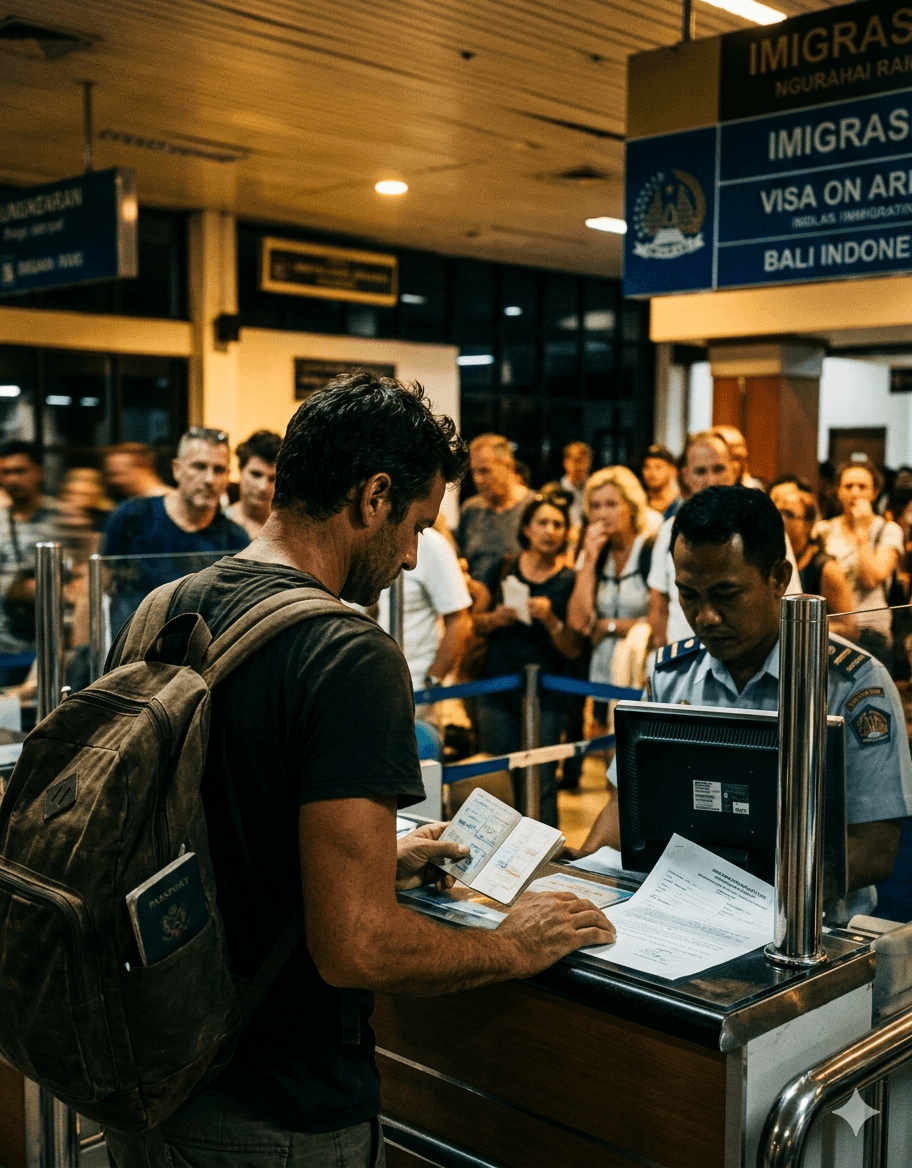
The issue also touches on visa and entry regulations for foreign nationals traveling to the US for the tournament. Tax non-compliance flags within US federal systems can, in some circumstances, complicate visa processing for nationals of affected countries, adding a layer of risk for fans, officials, and delegations planning to attend matches on US soil.
Bali Zero Take
The Hidden Insight
This story is a textbook reminder that US tax jurisdiction has a long reach — one that affects foreign nationals and businesses well beyond American borders. For our clients in Bali who hold US financ
Our Analysis
ial assets, receive income from American companies, or are planning any commercial activity tied to the World Cup ecosystem, this is a moment to audit your exposure.
Indonesia does not have a compreh
Our Advice
ensive tax treaty with the United States. This means Indonesian-registered entities receiving US-sourced income face default withholding rates of up to 30%, with limited recourse unless structured correctly. Football federations are learning this the hard way, but the same logic applies to any business or individual with US revenue streams.
For expats in Bali who are US citizens or green card holders, the World Cup situation is a high-profile example of how the IRS's global reach operates. FATCA obligations, FBAR reporting, and passive income withholding are daily realities. If you haven't reviewed your US tax position recently, the time is now — before a tax dispute becomes a visa or banking problem.
Next Steps
Action Items
Ask Zantara
AI-powered answers from our knowledge base
Topics

CNN Indonesia Immigration
Questions about how this applies to your case?
Bali Zero handles visas, company setup, tax and property compliance in Indonesia. Ask us directly on WhatsApp.
Chat with Bali Zero on WhatsApp