
TL;DR
**Ubud has long held the gravitational center of Bali's wellness economy, and The Westin Resort & Spa Ubud is making a deliberate push to anchor itself **
The Facts
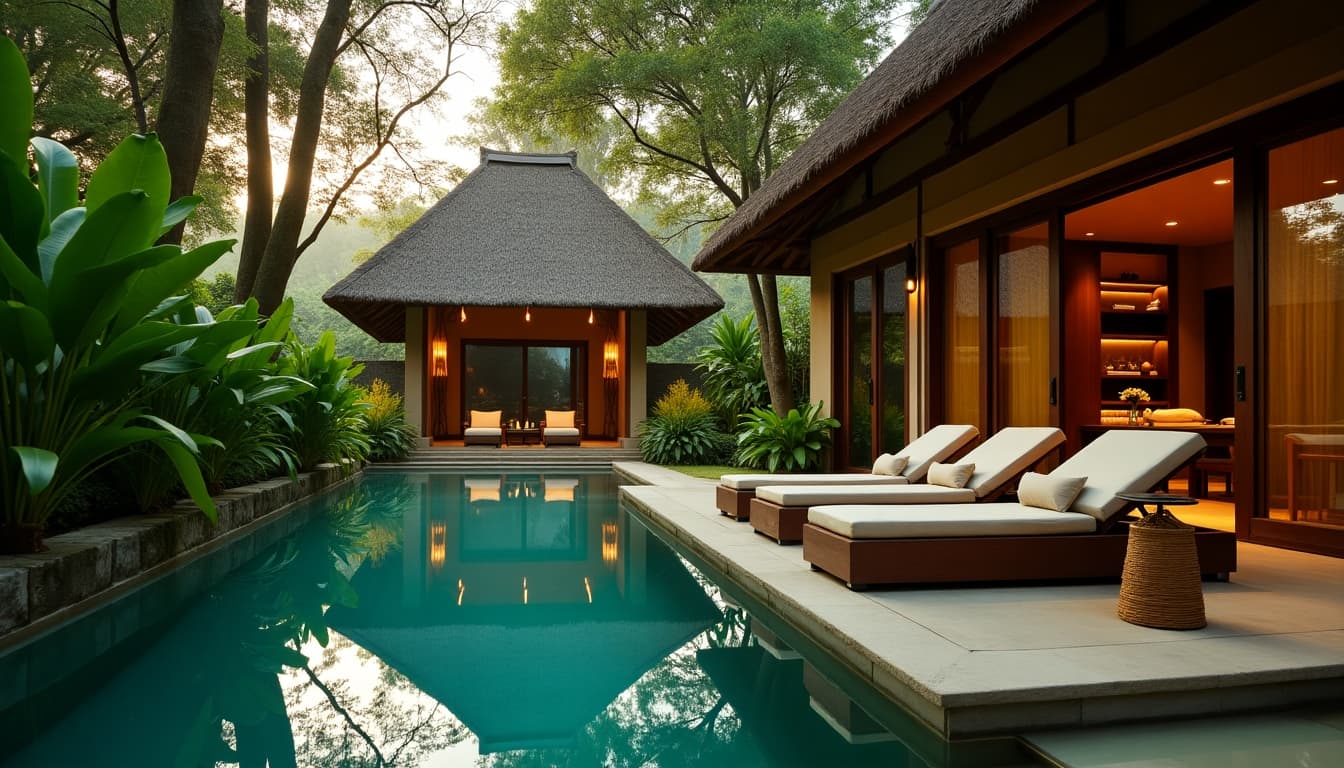
Ubud has long held the gravitational center of Bali's wellness economy, and The Westin Resort & Spa Ubud is making a deliberate push to anchor itself within that identity. The property's latest programming reflects a broader industry pivot toward what hospitality analysts call biophilic luxury — experiences that are physically grounded in natural materials, indigenous healing knowledge, and sensory immersion in the surrounding environment.
The resort's approach draws on Balinese cosmological principles, particularly the concept of Tri Hita Karana — the harmony between humans, nature, and the divine — which underpins much of Ubud's cultural and spiritual tourism offer. Programming reportedly includes treatments and rituals that incorporate local earth elements, botanicals, and body therapies derived from traditional Jamu and Balinese healing practices.
Marriott International, which operates the Westin brand globally, has been aggressively expanding its wellness credentials across Asia Pacific. Ubud fits squarely into this strategy: the region attracts a demographic of travelers willing to spend significantly more per night in exchange for curated, place-specific experiences that cannot be replicated in a generic urban spa environment.
Bali's wellness tourism sector has demonstrated resilience in the post-pandemic recovery. International visitor numbers to Bali have rebounded strongly since 2023, with wellness-focused travelers among the highest-spending segments. The Indonesian government has identified wellness tourism as a strategic pillar in its Bali tourism master plan, providing a supportive regulatory and promotional environment for properties investing in this niche.
The Westin Ubud's positioning is also a response to intensifying competition. A growing number of boutique and independent wellness resorts have emerged across the Ubud corridor in recent years, many led by expat entrepreneurs who have recognized the gap between international wellness demand and locally available supply. The entry of major branded players raises the competitive bar while simultaneously validating the market's maturity.
Bali Zero Take
The Hidden Insight
The Westin Ubud's nature-immersive rebrand is a signal, not just a marketing exercise. When a Marriott-group property doubles down on Balinese healing traditions and biophilic programming, it confirms
Our Analysis
what we have been telling clients for two years: wellness tourism in Bali is no longer a niche — it is the dominant premium growth vector on the island.
For our clients exploring hospitality investm
Our Advice
ent or villa development in the Ubud corridor, this matters in two ways. First, it validates the demand thesis. International guests are actively seeking experiences anchored in authentic Balinese culture, and they are willing to pay a significant premium for it. Second, it raises the benchmarking standard. Boutique operators who previously differentiated on atmosphere alone will increasingly need to invest in programmatic depth — trained therapists, certified wellness practitioners, and partnerships with local healers — to compete.
For expats considering a move into the wellness entrepreneurship space — retreat facilitation, healing arts, or boutique hospitality — Ubud remains the most credible address in Southeast Asia. The presence of international brands validates the ecosystem and can actually help independents by expanding the overall visitor base.
Next Steps
Action Items
Ask Zantara
AI-powered answers from our knowledge base

Indonesia Expat
Questions about how this applies to your case?
Bali Zero handles visas, company setup, tax and property compliance in Indonesia. Ask us directly on WhatsApp.
Chat with Bali Zero on WhatsApp